
The Power of Breathing Practices for Stress Reduction
Breathing practices have long been recognized as a powerful tool for managing stress and enhancing overall well-being. By focusing on controlled breathing, individuals can tap into a range of physiological and psychological benefits that help mitigate the effects of stress.
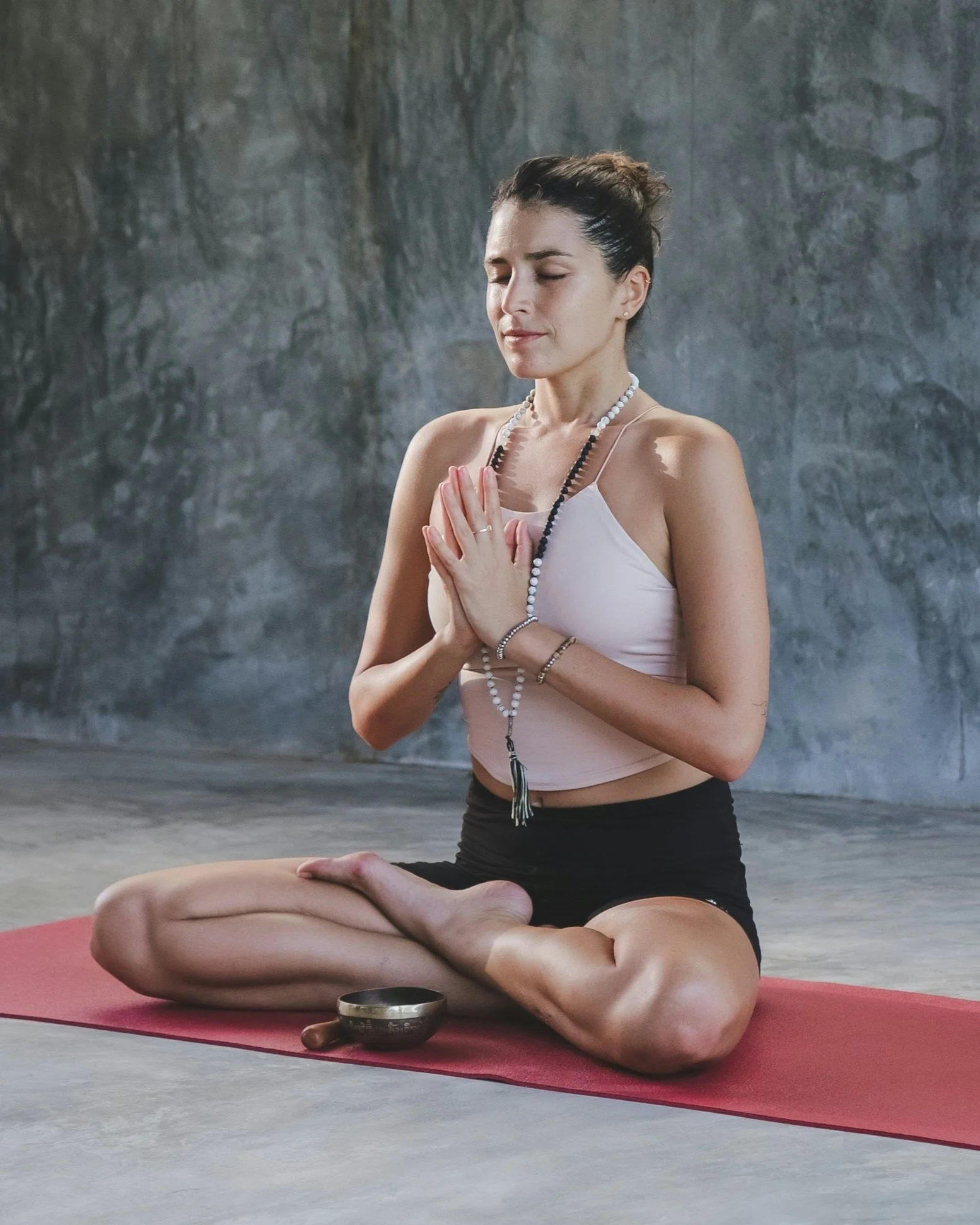
How Breathing Practices Work
Activating the Parasympathetic Nervous System
Deep, diaphragmatic breathing encourages the activation of the parasympathetic nervous system, which counteracts the stress-induced "fight or flight" response. This shift promotes relaxation and reduces anxiety.
Improving Mood and Mental Clarity
Regular practice of breathing exercises can lead to improved mood and mental clarity. Techniques such as cyclic sighing and slow, deep breaths have been shown to enhance mood more effectively than some mindfulness practices.
Reducing Physical Tension
Breathing exercises help relax the muscles and reduce physical tension, which often accompanies stress. This relaxation can lead to a decrease in stress-related symptoms such as headaches and muscle pain.
Simple Breathing Techniques
4-7-8 Breathing: Inhale for 4 seconds, hold for 7 seconds, and exhale for 8 seconds. This technique is known for its calming effects.
Box Breathing: Inhale, hold, exhale, and pause for equal counts (e.g., 4 seconds each). This method helps focus the mind and reduce stress.
By incorporating these simple breathing practices into daily routines, individuals can effectively manage stress and improve their overall quality of life.