
How is Yin Yoga Different From Other Forms of Yoga?
Yin Yoga: An Overview
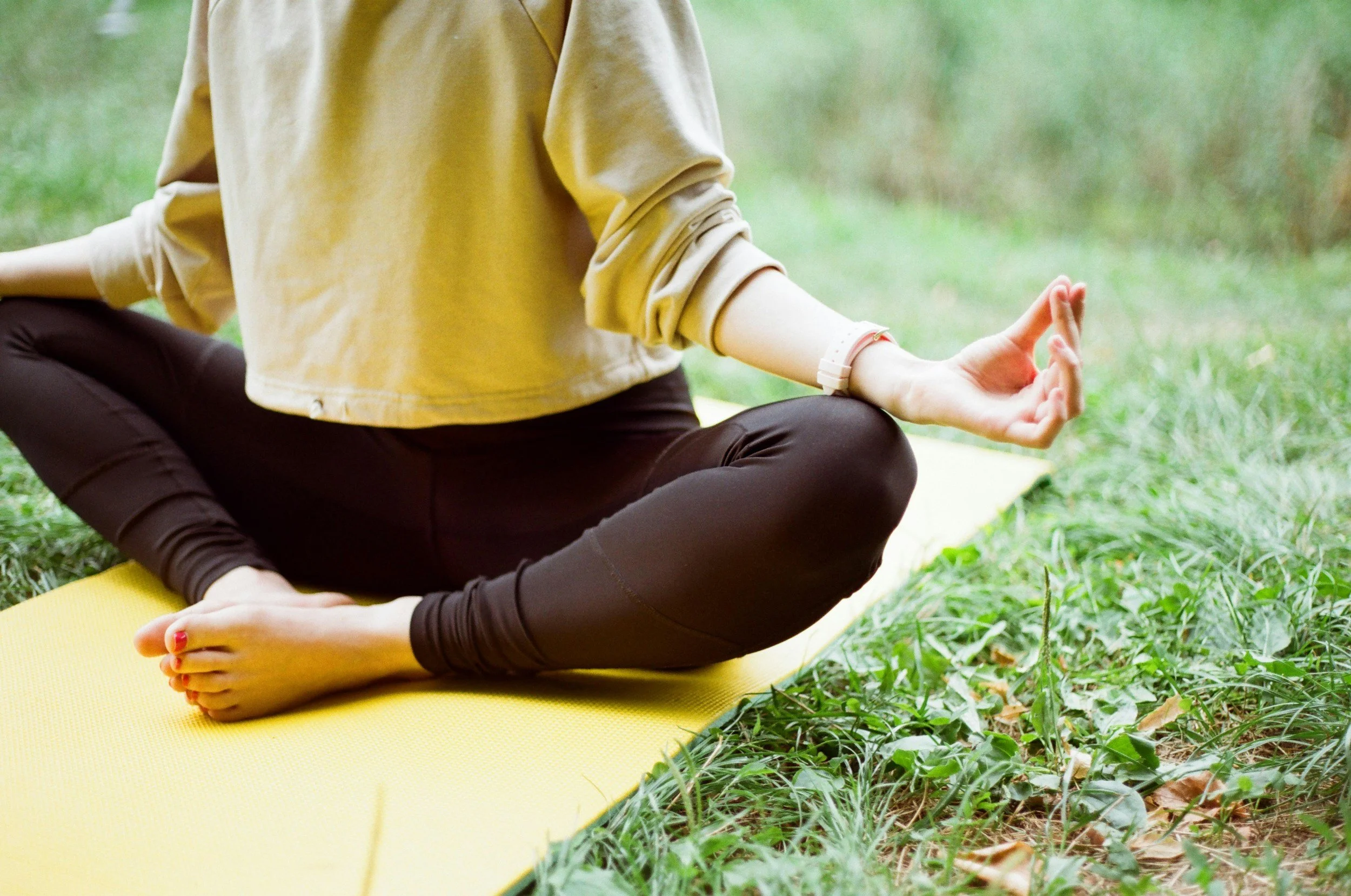
Yin Yoga is a slow-paced style of yoga that involves holding poses for extended periods, typically ranging from 3 to 10 minutes. This practice targets the body's deep connective tissues, such as fascia, ligaments, and joints, promoting flexibility and meditative relaxation. Originating from the teachings of Paul and Suzee Grilley, Yin Yoga incorporates principles of traditional Chinese medicine, focusing on the body's energy flow.
How to Practice Yin Yoga
To practice Yin Yoga effectively, consider the following principles:
Stillness: Consciously release into the pose and remain still without shifting position.
Hold the Position: Start by holding poses for 1-3 minutes, gradually increasing to 5 minutes or more.
Gentle Transitions: Move in and out of poses slowly and mindfully to avoid strain.
Focus on Breath: Maintain a steady and mindful breathing pattern to enhance relaxation and deepen the stretch.
Benefits for Joint Health
Yin Yoga offers several benefits for joint health:
Improves Flexibility and Joint Mobility: By holding poses for longer durations, Yin Yoga enhances the range of motion in joints and ligaments.
Increases Circulation: The practice stimulates synovial fluid production, which lubricates the joints, promoting better joint function.
Releases Fascia: Long-held poses help release tension in the fascia, improving overall joint health.
Reduces Stress and Anxiety: The meditative nature of Yin Yoga helps in stress management, indirectly benefiting joint health by reducing tension.
Enhances Joint Hydration: By targeting connective tissues, Yin Yoga promotes joint hydration, which is crucial for maintaining joint health.
Yin Yoga is suitable for all levels, offering a gentle way to improve joint health and overall well-being. Whether you're new to yoga or an experienced practitioner, incorporating Yin Yoga into your routine can provide significant physical and mental benefits.