
What are Moon Salutations?
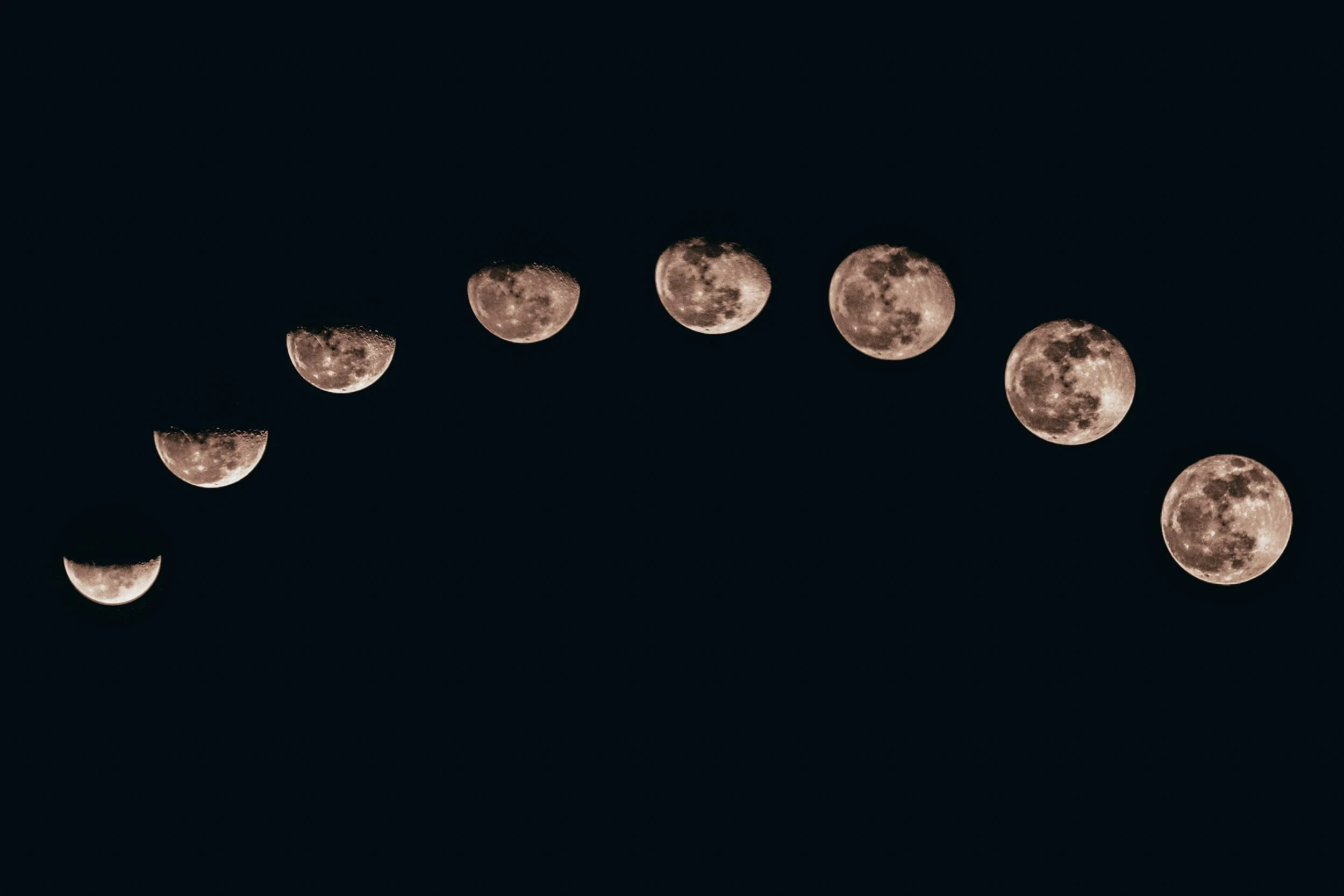
Moon Salutations: Embracing Lunar Energy
Moon Salutations, or "Chandra Namaskar," are a calming and introspective sequence of yoga poses designed to honor the soothing and grounding energy of the moon. Unlike the energizing Sun Salutations, Moon Salutations are perfect for evening practice or during the full moon, helping to balance the active energy of the day.
Sequence Overview
Moon Salutations focus primarily on the lower body, incorporating lateral stretches, hip openers, and poses that enhance flexibility and inner focus. Here's a typical sequence:
Mountain Pose (Tadasana)
Stand tall, grounding through your feet.
Upward Salute (Urdhva Hastasana)
Inhale, reach arms overhead.
Standing Crescent Moon Pose
Exhale, lean to one side, then the other.
Goddess Pose (Utkata Konasana)
Step wide, bend knees, arms open.
Star Pose
Straighten legs, arms wide.
Triangle Pose (Trikonasana)
Reach forward, tilt down, one arm up.
Pyramid Pose (Parsvottanasana)
Fold over one leg, hands to the floor.
Low Lunge (Anjaneyasana)
Step back, lower knee, arms up.
Half Split (Ardha Hanumanasana)
Shift hips back, straighten front leg.
Return to Standing
Reverse the sequence to return to Mountain Pose.
Benefits
Calming and Relaxing: Helps to calm the central nervous system and reduce stress.
Flexibility and Balance: Enhances flexibility, particularly in the hips and legs, and improves balance.
Grounding and Introspective: Encourages a connection with the cycles of nature and introspection.
Conclusion
Moon Salutations are a beautiful way to connect with the lunar energy, offering a gentle and soothing practice that complements the more vigorous Sun Salutations. They are ideal for winding down in the evening or during times of emotional turmoil, providing a space for reflection and inner peace.