
Heart Healthy Living
Heart Health Awareness Month

Let’s take a closer look at Strategies for a Heart-Healthy Lifestyle this February, focusing on improving cardiovascular function!
Let's simplify a heart-healthy approach to balanced living.
Take a look at these 3 tips to gain more insight into heart health that can be both fun and educational. There are many ways we can approach living “heart-healthy”, so let's take a heartful, fun way to nourish and be active throughout February!
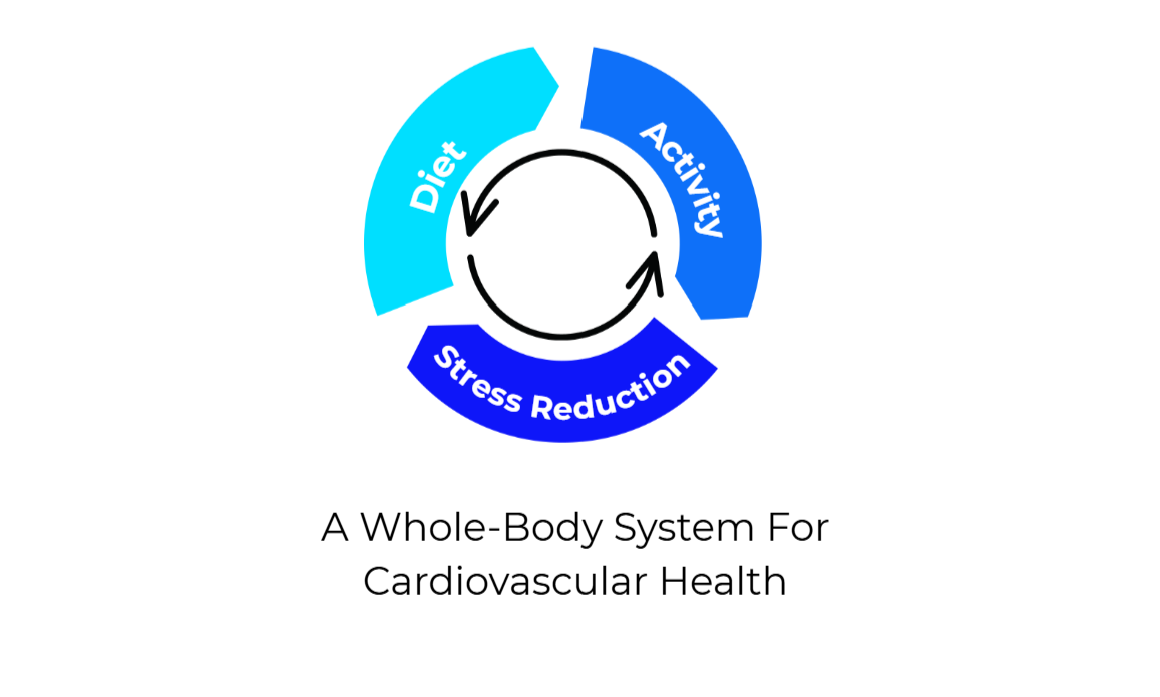
Think of these three approaches as one system! These are not separate but all key parts to focus on every day in small ways that build long-term success! Celebrate small wins, building manageable ways to have fun with heart-healthy living.
Benefits of Cardiovascular Health:
· Overall physical wellness
· Weight management
· Improved fitness, mobility
· Circulation and energy levels boost
· Blood pressure and cholesterol management
· Stress and inflammation reduction
Diet, Activity, & Stress Management
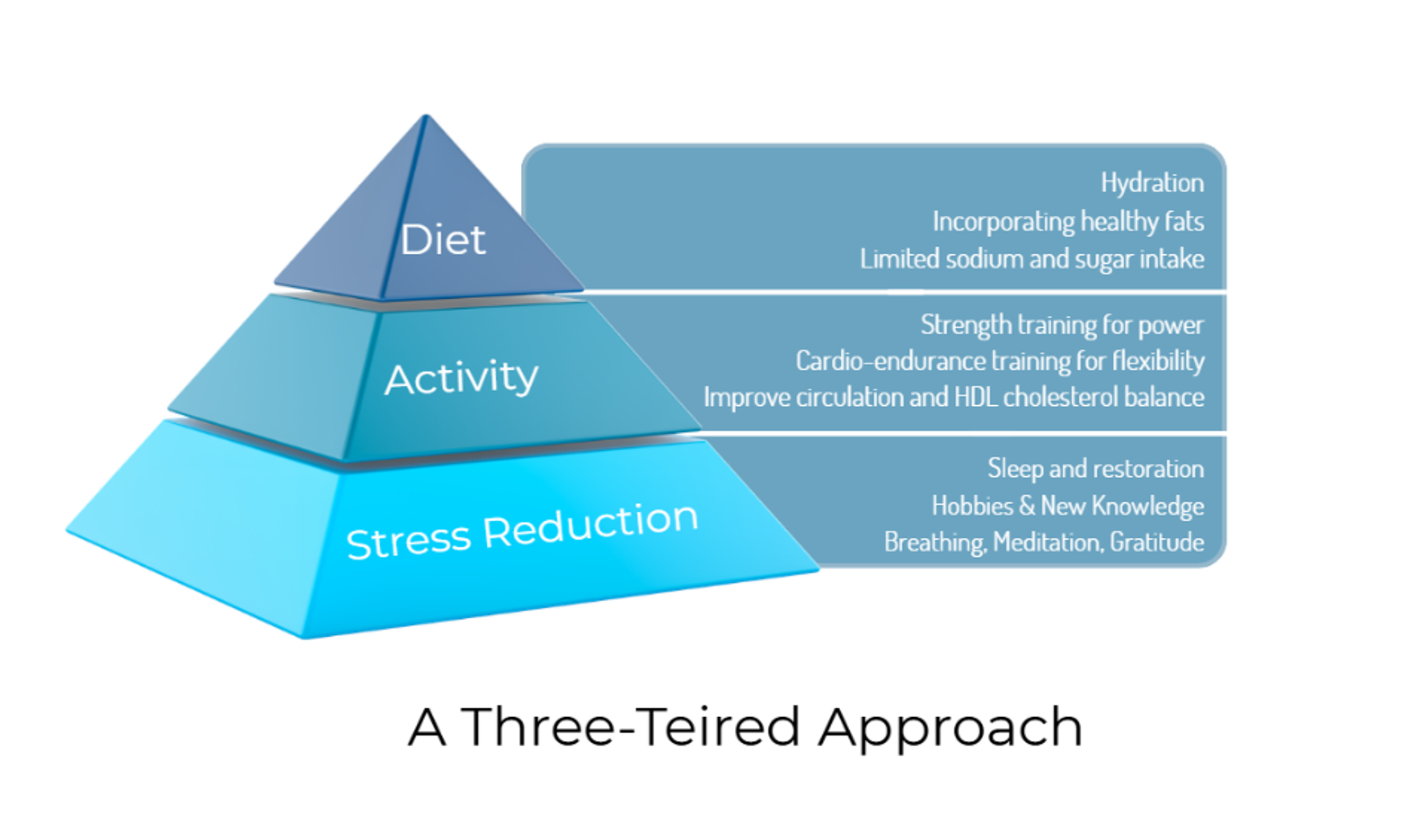
Achieve the benefits of Cardiovascular Health through Diet, Activity, and stress management for a multi-tiered approach to whole well–being:
Diet
Our Diet has a direct influence on our mood and ability to live a heart-healthy life. Understanding sodium and sugar limits, the role of healthy fats, and recommended diets can help you to lower high blood pressure and high cholesterol. These tips will help to reduce your risk of heart disease and promote long-term well-being! Check out this video to learn more about heart-healthy eating.
Diet Tips to Improve Blood Pressure:
· Hydration, which balances fluids in the body.
· Limiting Sodium to Less than 1 Tbsp a Day, which influences fluid balance in the body.
· Limiting added sugar to less than 50g per day, which will reduce inflammation.
· Try the DASH Diet or the Mediterranean Diet for low-sodium eating that lowers cholesterol and reduces inflammation.
Activity
Activity is a stress on the heart that causes positive adaptations in the body, such as raised HDL levels of “good cholesterol”. Strength training promotes the health of the structural wall of the heart, and cardio-endurance training improves the flexibility of our vessels. When you increase flexibility and heart strength, you boost the heart’s pumping ability and blood circulation to all areas of the body! In short, cardio and strength training can increase HDL cholesterol, improve circulation, and reduce risk for heart-related conditions.
Types of Activity for Heart Health:
· Strength Training, Calisthenics
· Running, Cycling, Walking
· Gardening, stretching, and standing desk breaks
Know your limitations in exercise and your heart rate max to help you set suitable targets for heart rate training. Calculate Max Heart Rate: (220 – your age) = Max HR. While exercise promotes eustress, or positive stress on the body, it still can still increase cortisol, the stress hormone. An increase in cortisol without stress management over time can lead to chronic inflammation.
Stress Management
Stress Management is primarily focused on restoration through sleep, recovery methods, and meditative or mindful activities. Sleep is a powerful stress management tool and recovery tool for the body. Balance activity with recovery practices, restorative yoga, or qigong movements to open energetic pathways for heart healing. Meditation, breathing, and spiritual wellness can also be tools for heart health and stress management. Find hobbies and intellectual pursuits, books, and creative endeavors that pique your interest to live heartfully and manage stress.
Key Stress Management Tools:
· Sleep, Meditation, Breathing
· Nature, Hobbies, Sports
· Restorative Yoga, Qigong
· Social Connection
· Spiritual Wellness
· Gratitude or Positive Thinking Practices
Remember to take a multifaceted approach to heart health! Try these fun and manageable approaches to implement in your long-term wellness vision. How will you take a heart-healthy approach? Collaborate with me if you are looking for support in incorporating your heart-healthy lifestyle!
Register to receive our Live Recorded Cooking Demo with Coach Madeline who will be preparing Irish Pub Salad!
When: March 27th, 12:30 - 1p EST
Food has the power to bring people together. Whether it's family dinners, street food, or holiday feasts, sharing meals creates strong social bonds. Create something special just for you with this simple Irish Pub Salad Recipe.